Commercial Waste Removal in Elephant and Castle
Commercial waste removal in Elephant and Castle needs to be straightforward, tidy and suited to the rhythm of working premises. We help businesses deal with mixed rubbish, bulky items, recurring waste and one-off clearances so floors, corridors and loading points stay usable. The service is built around practical handling, sensible sorting and clear communication, with the aim of moving waste away without disrupting day-to-day activity more than necessary.
For offices, shops, hospitality venues and managed buildings, the work can include collecting bags, dismantled fixtures, packaging, broken furniture, redundant storage items and general non-hazardous rubbish. It may also involve separating material that can be reused or recycled where that is appropriate. If you need a commercial waste removal service that is arranged around your premises rather than the other way round, start with a simple enquiry and we can discuss the likely scope.
We keep the process focused on what is actually present on site. That means considering access, lift use, stairways, door widths, collection points and any need to protect floors or shared areas while waste is being moved. Clear information about the quantity and type of material helps shape the job, but the emphasis remains on a sensible, workable removal plan rather than unnecessary complexity.
Business waste collection for offices and premises
Business waste collection is often most useful when it is planned around how a site really operates. Office clear-outs may involve files, archive boxes, worn chairs, shelving, screens, packaging from deliveries and the contents of storage cupboards. Smaller premises may need a single uplift after a refit or relocation, while larger workspaces may benefit from periodic removals to prevent waste building up in back rooms and service areas.
We can also help when mixed business rubbish needs sorting before it is taken away. Some materials are easier to separate at source, such as cardboard, metal or reusable furniture, and this can make the overall job cleaner and more organised. Good waste segregation is not only about neatness; it also supports better handling of different material types and helps keep the clearance efficient from start to finish.
Two things usually improve the quotation stage: a clear description of what needs removing and an idea of access around the premises. If the waste is spread across several rooms, or stored in a basement, upper floor or shared yard, that affects the effort involved. Pricing and quotes covers the practical details we use when shaping a job estimate.
Office clearance and shared-space removals
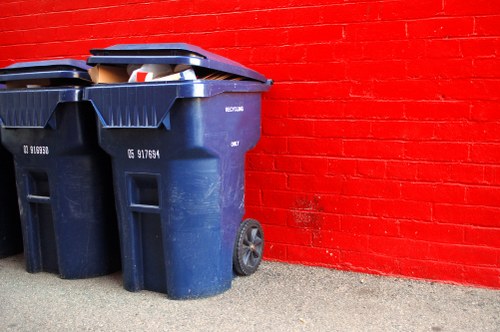
Office clearance calls for orderly removal rather than rushed lifting. Desks, pedestal drawers, task chairs, meeting tables, shelving, monitor stands and general office clutter often need moving in a sequence that avoids blocking exits or damaging communal areas. Where items are still usable, a clearance may focus on careful separation of furniture from general rubbish so each part can be handled appropriately.
Shared offices, managed buildings and multi-tenant units can add extra steps. The route from the workspace to the collection point may pass through reception, stairwells, lifts or internal corridors, so planning matters. We work with the layout as it stands, keeping the emphasis on efficient movement and practical removal. If a job includes a mixture of everyday rubbish and larger items, it is usually best to group them clearly before collection.
For day-to-day planning, a few simple details can be enough to shape a workable visit:
- the rooms or areas where items are stored;
- the type of waste, especially any bulky furniture;
- access restrictions, such as lifts or loading bays;
- any items that should be left in place.
Bulky items, furniture and appliance disposal
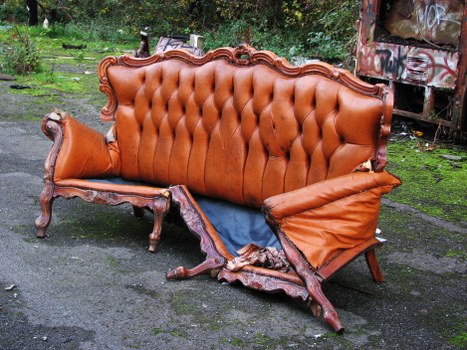
Some commercial clearances are dominated by heavy or awkward items. Furniture disposal may involve desks, cabinets, sofas in staff areas, filing units, shelving, reception pieces or worn seating from waiting rooms. Appliance removal can include fridges, drinks coolers, microwaves or other workplace equipment that is no longer wanted and needs taking away with care.
Bulky waste usually benefits from being assessed before collection so the lifting route, number of handlers and vehicle space can be considered properly. That is especially useful where items sit in upper-floor rooms or behind narrow passages. A sensible approach reduces the risk of unnecessary breakage and helps the removal run in a clear sequence. Furniture disposal is a useful option when the main task is to clear large pieces that no longer have a place on site.
Appliances should be described accurately, because size and weight vary significantly. A small microwave is very different from a commercial fridge, and the handling needed is not the same. If the clearance includes mixed bulky waste, keeping the heavier pieces separate from lighter packaging can make the process easier and more orderly.
Builders’ waste and post-refit clearances

Work after refurbishments or alterations can leave premises full of packaging, cut-offs and broken fittings. Builders’ waste clearance may involve timber offcuts, plasterboard pieces, bagged rubble, old fixtures, protective sheeting, packaging, tiles and other material left once the trades have finished or paused. The goal is to restore working space so the site can be used properly again.
These clearances work best when waste is separated into sensible groups. Heavy debris, mixed renovation waste and recoverable items each need different handling, and a tidy sort on site often saves time later. Not every refit leaves the same sort of debris, so the collection plan should reflect what is actually there rather than using a generic approach. If you are dealing with renovation leftovers, builders’ waste clearance is the closest fit among the available services.
When waste is spread across several rooms or floors, it helps to describe the route from each area to the exit. That lets the collection be planned around the layout and keeps the clearance more controlled. For sites that are still active, protecting the working environment matters just as much as getting the debris out.
Household-style clearances for business premises
Some commercial sites contain items that look more like domestic contents than office waste. That can happen in converted buildings, staff accommodation, mixed-use properties or premises with storage rooms that have filled over time. House clearance-style removals can include mixed furniture, bags of unwanted belongings, old small appliances and accumulated clutter that no longer serves the business.
In these cases, the important distinction is not whether an item is domestic in appearance, but whether it can be removed efficiently and handled responsibly. A room full of mixed contents often needs the same sort of steady sorting as a conventional clearance, with attention given to what can be reused, what must be separated and what simply needs moving out. House clearance is the relevant service page if the contents are closer to a residential-style clearance than a focused office uplift.
Useful preparation is simple and should not take over the job: identify anything that must stay, point out fragile fixtures and note any access limits that matter on the day. That makes it easier to plan around the space while keeping the collection practical and controlled.
Recycling, sorting and responsible disposal
Responsible disposal is part of the service rather than an extra afterthought. Commercial waste often contains a mix of cardboard, packaging, metal, furniture, small electrical items and general rubbish, so separating material properly can matter. Where it is suitable, recycling and sustainability measures are considered alongside the collection itself, helping the waste stream move through the correct channels.
The right approach depends on what has been set aside. Clean cardboard does not need the same handling as broken fixtures, and a bag of general rubbish is not the same as a stack of reusable office furniture. The aim is to make the removal clearer and more workable while keeping the process proportionate to the job. Recycling and sustainability sets out the wider approach behind this part of the work.
Not every item belongs in the same pile, and not every clearance needs to be treated as one large mixed load. A measured sort can reduce confusion, make the collection easier to manage and support better disposal decisions once the waste has left the premises.
Special items and controlled waste decisions

Certain items need more caution than ordinary office rubbish. Fridges, freezers, appliances with refrigerant, sharp broken fittings, heavy panels and materials that may require special handling should be identified early. Where waste is unusual, the collection needs to reflect the item’s condition, weight and likely disposal route rather than being treated as an ordinary bagged load.
There are also clear limits to what can be accepted through a standard commercial waste removal visit. Hazardous material, confidential documents, and anything that requires specialist treatment should be considered separately and described accurately before any collection is arranged. If the contents include only a small amount of a specialist item, it still matters to mention it clearly so the job can be judged properly. Hazardous waste disposal is the relevant destination when the material needs a more controlled approach.
For everyday business rubbish, the main decision is usually whether the item can be lifted safely, moved without obstruction and disposed of through the correct channel. When those points are clear, the rest of the work becomes much more straightforward.
How to prepare a useful quotation request
A good quotation request does not need a long explanation, but it should be specific enough to show the shape of the work. A short description of the waste type, the number of rooms affected and any bulky pieces is often enough to begin. If the waste is spread over several floors, stored behind locked areas or mixed with items that need extra care, that should be mentioned as well.
Where it is convenient, photographs can help illustrate the load, and a brief note about access can prevent avoidable confusion. The useful details are the ones that change handling: basement access, parking restrictions, narrow internal routes, a lift that cannot take large items, or a fixed time window for collection. For a straightforward enquiry, contact us when you are ready to outline the job and ask for a quotation.
Keep the request focused on what needs removing rather than trying to guess the whole process in advance. A clear list of visible items usually does more for accuracy than a long explanation, and it helps the work be discussed on practical terms.
About Elephant and Castle
Elephant and Castle is a major area in the London Borough of Southwark, positioned south of the River Thames and closely linked to the transport and commercial life of central London. Its name is widely associated with the historic road junction that has long acted as a meeting point for routes through south London. Over time, the district has changed from a traffic-heavy interchange into a place shaped by large-scale redevelopment, mixed-use buildings and an increasingly varied urban landscape. The area sits within a network of surrounding streets, estates and newer developments, so its character is not defined by a single architectural style or period. Instead, older surviving structures stand alongside modern apartment blocks, commercial premises and civic spaces, creating a layered streetscape that reflects different phases of London’s growth. Elephant and Castle is also connected to the long history of Southwark itself, an area once known for markets, industry, entertainment and movement across the city. Today, the district remains notable for its transport links, with Underground and rail connections giving it a strong place in the wider capital. Nearby streets and public spaces support a busy day-to-day environment, while the built form includes both large-scale renewal projects and smaller inherited pockets of historic character. Because of that mix, the area reads as both practical and transitional: part established inner London, part evolving urban quarter. It is a place where roads, stations, housing, workplaces and public realm all meet within a relatively compact setting, giving it a distinct identity that is recognised well beyond Southwark itself.
Practical removal for active workplaces
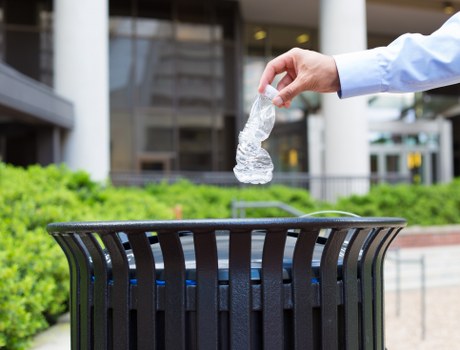
When commercial waste builds up in a working site, the most useful service is the one that removes it without creating extra tasks for the client. That may mean clearing a back room, lifting awkward furniture from a reception area, or taking away mixed rubbish after an office move. We can handle the removal in a way that keeps the job clear, measured and suited to the space involved, with attention paid to the order in which items are moved.
Different premises need different handling. A shopfront may need a quick collection before opening hours, while a storage-heavy office may need a more methodical sort through shelves, cupboards and broken items. Waste removal is the broad service page for general collections, while business waste removal is the better fit when the job is mainly commercial rather than mixed with domestic contents. If you are still deciding how to frame the work, a short description is enough to begin.
We aim to keep the process simple: identify the waste, note the access, decide what stays and ask for a quotation. If the task includes larger furniture or a full room clear-out, that can be discussed in the same enquiry so the collection plan is shaped around the premises from the outset. Get in touch when you are ready and we can talk through the most suitable way to remove the waste.