Elephant and Castle station rubbish collection guide
If you are dealing with bags, boxes, old furniture, or a small mountain of mixed waste near Elephant and Castle station, you probably want one thing first: a simple way to get it sorted without stress. This Elephant and Castle station rubbish collection guide walks you through the practical side of rubbish removal in a busy South London setting, where access can be tight, time matters, and nobody wants waste hanging around longer than necessary.
Whether you are clearing a flat, refreshing an office, finishing a refurb, or just trying to get rid of awkward items that will not fit in your regular bins, the aim here is the same: help you choose the safest, cleanest, and most efficient option. Let's face it, rubbish has a way of multiplying when you are not looking.
In the sections below, you will find a clear explanation of how rubbish collection usually works around Elephant and Castle station, what to watch out for, what is worth booking in advance, and how to avoid common mistakes that can slow everything down. If you want the short version, the best results usually come from planning the load, separating special waste, and using a service that understands local access and recycling expectations.
Why Elephant and Castle station rubbish collection guide Matters
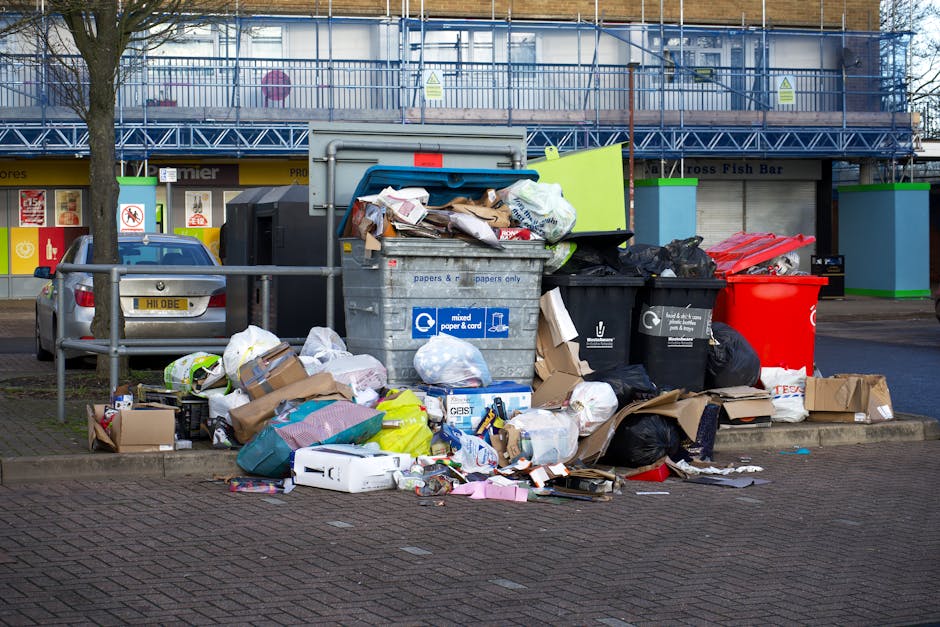
Elephant and Castle is busy, densely used, and often a bit unforgiving when waste is left in the wrong place. Around the station, even a modest pile of rubbish can become an obstruction quickly. That matters for residents, shop staff, office teams, contractors, landlords, and anyone moving items through shared entrances or narrow streets.
The practical issue is not just tidiness. Rubbish can block access, create smells, attract pests, and make a place look neglected. In a high-footfall area like this, it can also affect customer experience and the day-to-day running of a building. You notice it fast when a corridor smells damp, or when black bags are stacked by the door on a windy morning. Not ideal.
This guide is also useful because rubbish collection near a transport hub tends to involve a few extra moving parts. Access windows may be short. Loading may need to be done carefully. Some items need separation for recycling or safe disposal. And if the waste includes bulky, heavy, or awkward pieces, you need to think about lifting, route planning, and timing.
Expert summary: if you are trying to clear waste near Elephant and Castle station, the smartest approach is usually to plan for access first, waste type second, and speed third. That sequence saves more hassle than most people expect.
How Elephant and Castle station rubbish collection guide Works
In simple terms, rubbish collection in this area usually means arranging for a licensed waste carrier to remove general waste, bulky items, or mixed load rubbish from a flat, office, shop, construction area, or communal space. The collection can be booked for a time that suits the property, which is especially useful when the space is busy or access is shared.
The process often starts with identifying what you have. Is it bagged household rubbish? Cardboard and packaging? Furniture? Office waste? Builders' rubble? A mixed load? That matters because different waste streams need different handling. A pile of clean cardboard is a very different job from a mixed clear-out with broken shelving, damp textiles, and a fridge that needs proper separation.
For many people, the key decision is between a one-off collection and a broader clearance service. If you are dealing with a simple few bags, a quick rubbish collection may be enough. If you are emptying a room, a flat, or a workspace, a broader service such as waste removal or a more specific service like flat clearance may be the better fit.
Collection also tends to work best when the waste is ready before the team arrives. That sounds obvious, but in real life people often spend the first ten minutes hunting for keys, moving a bike, or deciding whether the old desk is staying after all. If you can stage the rubbish neatly in one place, the collection will be smoother and usually faster.
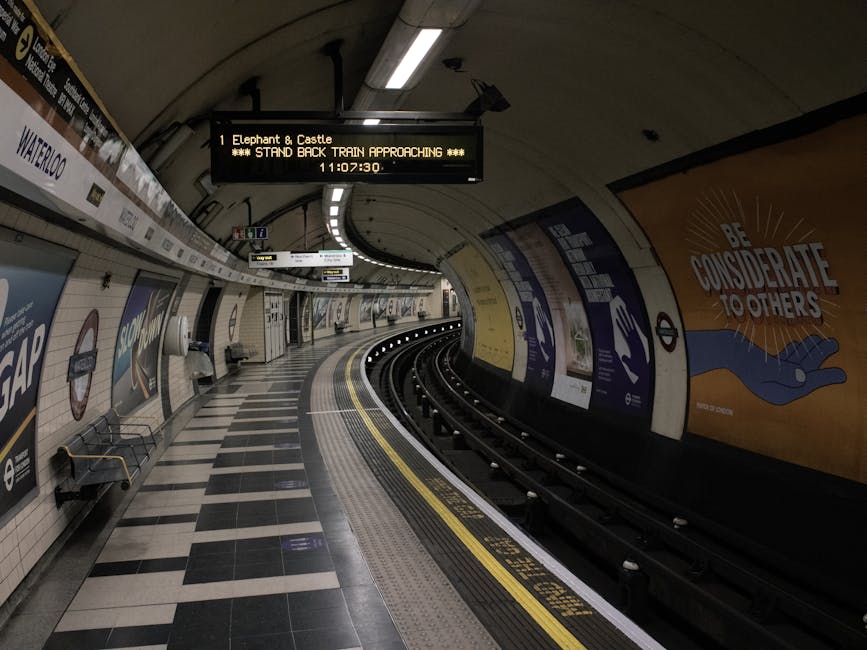
In a station area, there is one extra reality to keep in mind: timing. If a loading bay, shared courtyard, or front access point is only available at certain hours, it pays to plan around those constraints. The cleaner the handover, the less likely you are to have a rushed, messy collection.
Key Benefits and Practical Advantages
A good rubbish collection process does more than clear space. It reduces friction in the rest of your day. That is especially true around Elephant and Castle, where many properties are compact and shared, and where a small delay can affect neighbours, staff, or tenants.
- Less clutter, more usable space: clearing rubbish quickly makes homes and workplaces feel bigger and calmer.
- Better appearance: a tidy entrance or back area sends a very different signal from a stack of bags outside the door.
- Safer movement: removing trip hazards helps protect residents, visitors, and workers.
- More efficient recycling: separating items properly often improves what can be reused or recycled.
- Less lifting stress: bulky items are easier to deal with when you do not try to manage them alone.
- More predictable timing: a booked collection is usually easier to plan around than waiting for local disposal options to become available.
There is also a psychological benefit people do not always mention. Once the waste is gone, the whole project feels lighter. You can breathe again. That sounds a bit dramatic, maybe, but anyone who has lived through a flat clear-out knows exactly what I mean.
For businesses, the gains are even more practical. A tidy site supports staff morale, improves the customer impression, and helps avoid avoidable complaints. If your rubbish is the first thing visitors see, it becomes part of your brand whether you like it or not. Not a great look if you are trying to run things professionally.
Who This Is For and When It Makes Sense
This guide is for anyone who needs rubbish collected near Elephant and Castle station and wants a sensible, local-minded approach rather than a vague "just put it out and hope for the best" plan. In our experience, the people who benefit most are usually facing one of these situations:
- tenants clearing out a flat at the end of a tenancy
- landlords preparing a property for re-let
- managers dealing with office clutter or old equipment
- shop owners clearing packaging, display waste, or back-room rubbish
- builders and tradespeople finishing small refurbishment jobs
- households dealing with bulky furniture, appliances, or mixed waste
- people making a bigger clean-up after a loft, garage, or home declutter
It also makes sense when the waste is awkward. A mattress. A sofa. A broken fridge. Several heavy bin bags. A stack of damp carpet underlay. These items are annoying in a way that is difficult to describe until you are the one trying to move them down a staircase at 8:15 in the morning.
If you are not sure whether a full collection is needed, ask yourself two simple questions: Can I move it safely myself? and Will it be easier and cheaper overall to have it removed in one go? If the answer to either is no, booking a collection is usually the calmer choice.
Step-by-Step Guidance
Here is a practical way to handle rubbish collection around Elephant and Castle station without making the job harder than it needs to be.
- Identify the waste type. Separate general rubbish, cardboard, furniture, electrical items, and anything hazardous. Even a rough split helps a lot.
- Check access. Think about stairs, lifts, loading bays, narrow pavements, and whether the waste can be moved without blocking shared spaces.
- Decide what should stay out of the load. Some items need special handling. If you have chemicals, paints, solvents, or unknown liquids, pause and treat them carefully.
- Estimate the amount. A small pile, a van load, or a more substantial clearance all point to different solutions. A tiny job should not be treated like a massive one, and vice versa.
- Choose the right service. For mixed rubbish or bulky items, a general waste removal solution is often suitable. For rooms or properties, a broader clearance page such as home clearance or office clearance may fit better.
- Prepare the area. Move items into one accessible place if you can. Clear a route. Protect floors if needed. It saves time and keeps everyone happier.
- Book and confirm details. Make sure the collection date, access point, waste type, and any special handling requirements are clear before the team arrives.
- Keep paperwork or confirmation handy. If you are clearing waste for a business or managed building, keeping records is simply good housekeeping.
If you are dealing with a single category of item, you may be able to narrow the service further. For example, old seating can be handled through mattress and sofa disposal if that is the actual job, while broken domestic appliances are better suited to fridge and appliance removal.
The main idea is simple: do a little preparation before collection day and you save a lot of friction during collection day. It really is that straightforward.
Expert Tips for Better Results
A few small habits make rubbish collection near a station area much easier. These are the things that tend to separate a smooth job from a frustrating one.
- Group waste by material where practical. Cardboard, metal, timber, textiles, and general rubbish are easier to assess when they are not tangled together.
- Keep heavy items at the top of the load plan. If there is lifting involved, the heaviest pieces should be the easiest to reach and easiest to move.
- Check for hidden hazards. Old drawers can hide glass, sharp fittings, or loose screws. Chairs can have broken frames. Cupboards often contain surprise junk, which is very on-brand for cupboards, to be fair.
- Think about neighbours. If you share a hallway, courtyard, or access route, a little courtesy goes a long way. Noise travels.
- Book earlier in the day if access is tight. Morning slots are often more forgiving when the area becomes busier later.
- Ask about recycling routes. A sensible provider should be able to explain how different materials are sorted and whether reusable items can be separated.
If you are clearing a workspace, it can also help to coordinate rubbish removal with shredding or document disposal where needed. Sensitive paperwork should not be mixed into a general load. That is where confidential shredding becomes relevant.
And if you are managing a larger mixed project, keep one eye on safety. A slightly slower, more methodical process is often better than rushing and making a mistake. Nobody gets a medal for bending their back the wrong way on a Thursday.
Common Mistakes to Avoid
The biggest errors are rarely dramatic. They are usually small, ordinary things that snowball.
- Leaving everything mixed together. Mixed loads can be harder to assess, slower to remove, and less efficient to sort.
- Forgetting about access. A van cannot simply appear inside a tight courtyard if the route is blocked by bikes, bins, or parked vehicles.
- Ignoring special waste. Batteries, chemicals, fridges, and other regulated items need extra care.
- Underestimating weight. A bag that looks light may not be light once it is lifted. Old books and rubble have a sneaky way about them.
- Waiting until the last minute. If you are moving out or handing back a property, last-minute booking narrows your options fast.
- Assuming one service fits every job. A garage clear-out is not the same as a builders' load, and a flat clearance is not the same as office waste.
One real-world example: someone may pile up boxes, broken shelving, and a fridge in the same place and assume it all counts as one straightforward collection. In practice, appliance handling may need a separate process, while the boxes and shelving can be cleared more easily. A little sorting before collection day avoids delays and awkward decisions at the kerb.
Another common mistake is forgetting that common areas matter. In a shared building, leaving waste in a hallway "just for ten minutes" can turn into a complaint very quickly. The ten minutes has a funny habit of becoming the whole afternoon.
Tools, Resources and Recommendations
You do not need a complicated toolkit for rubbish collection, but a few basic items help make the job cleaner and safer.
- Heavy-duty sacks: better for split-proof handling of loose rubbish.
- Labels or marker pens: useful if you want to mark what is general waste, recyclable, or for special handling.
- Gloves and sturdy footwear: essential when moving mixed waste or sharp-edged items.
- Tape and boxes: handy for bundling loose materials or securing small items.
- Furniture covers or blankets: useful for protecting walls and floors during movement.
- A simple checklist: keeps everyone clear on what stays, what goes, and what needs separate treatment.
For more specific jobs, it can help to look at service pages that match the type of waste you actually have. For building debris, builders' waste clearance is more relevant than a general household clear-out. For larger domestic projects, house clearance may be a better fit. For garden cuttings and outdoor waste, garden clearance is the obvious place to start.
If cost planning is on your mind, it is worth reviewing the provider's pricing and quotes information before you book. That helps you understand what may affect the final figure, such as access, weight, waste type, and how much labour is involved. Nothing fancy. Just clarity.
Law, Compliance, Standards, or Best Practice
Waste handling in the UK is not something to treat casually. You do not need to become a compliance expert to arrange a collection, but you should understand the basics.
The key principle is that waste should be passed to a properly authorised carrier, and the person producing the waste still has a duty to make sensible choices about how it is stored, handed over, and described. That means you should not leave rubbish with an unknown collector or assume every van is automatically legitimate. If a service cannot explain how your waste will be handled, that is a warning sign.
Best practice also means separating potentially hazardous items. Paints, solvents, oily materials, sharp objects, and certain appliances need a more cautious approach. For jobs involving these sorts of materials, it is sensible to use hazardous waste disposal rather than pushing everything into one mixed pile and hoping for the best.
For businesses, keeping a basic record of what was removed and when is a wise habit. It helps with internal audits, property management, and general accountability. If you are responsible for an office, retail unit, or managed site, this is just part of professional operation, plain and simple.
Safety matters too. A reputable provider should have clear working practices, suitable insurance, and a sensible approach to lifting and access. You can also review pages such as insurance and safety and health and safety policy to understand the standards behind the service. It is reassuring when the boring bits are handled properly. Boring, yes. Important, absolutely.
Options, Methods, or Comparison Table
Different waste situations call for different approaches. The table below gives a simple comparison to help you decide what makes sense.
| Method | Best for | Strengths | Possible drawbacks |
|---|---|---|---|
| General waste collection | Bagged rubbish, mixed light loads, everyday clear-outs | Quick, flexible, suitable for smaller jobs | May not suit bulky, heavy, or specialist waste |
| Flat or home clearance | End-of-tenancy clearances, full-room clear-outs | Good for multiple item types, easier for larger domestic jobs | Can be more involved than a basic collection |
| Office clearance | Desks, chairs, filing, mixed business waste | Useful for commercial properties and workspace changes | Often needs more planning and access coordination |
| Specialist item removal | Fridges, sofas, mattresses, appliances | Better handling of awkward or regulated items | Requires correct separation and booking |
| Builders' waste clearance | Construction debris, rubble, timber offcuts | Suited to renovation and trade work | Heavy materials need good access and clear loading plans |
Choosing the right method is less about labels and more about the shape of the job. A small flat with a few bulky items may need a very different approach from a shop refit with packaging, fittings, and broken display units.
Case Study or Real-World Example
Here is a realistic example from the sort of job people often face near Elephant and Castle station.
A tenant is moving out of a compact flat above a busy street. They have three bags of general waste, a broken bedside cabinet, a mattress, two flat-pack boxes, and an old office chair that has somehow survived three house moves and should probably have retired years ago. The lift is small, the hallway is shared, and move-out day is already noisy.
The sensible approach is to separate the items that can be removed quickly from anything that needs special handling. The boxes and general waste are straightforward. The mattress and chair can be grouped for furniture-related disposal. The cabinet may be suitable for furniture clearance if it is too damaged to reuse. Instead of trying to move everything in one frantic trip, the tenant stages the items near the exit and books a collection window that avoids the peak rush.
The result is calmer all round. No one blocks the hallway for long. The stairwell stays clear. The tenant gets the space back. And the building manager does not have to send follow-up messages about waste left behind. Simple, really, but that sort of simplicity takes a little planning.
In another common scenario, a small office near the station needs a clear-out after a team downsizes. Old chairs, broken monitors, paper waste, and storage furniture all need separate consideration. A combined plan using office clearance, confidential shredding where needed, and a waste removal service is usually much smoother than trying to handle everything piecemeal.
Practical Checklist
Use this quick checklist before collection day.
- Have I identified the waste type accurately?
- Have I separated anything hazardous, sharp, or specialist?
- Is the access route clear from the waste pile to the exit?
- Have I checked whether the lift, stairs, or loading area can handle the items safely?
- Do I know which items are going and which are staying?
- Have I grouped bulky items together?
- Have I planned for parking, access, or building restrictions if relevant?
- Have I reviewed the service details and pricing information?
- Have I confirmed the booking time and any special instructions?
- Have I kept documents or instructions ready if this is a business or managed property?
If you are handling a bigger sort-out, it can also help to look at related services such as furniture clearance or garage clearance so the right items go into the right stream. That tends to make the whole job feel less chaotic.
Quick takeaway: prepare the waste, protect the access route, and match the job to the right service. That trio solves most collection headaches before they start.
Get a free quote today and see how much you can save.
Conclusion
A well-planned rubbish collection near Elephant and Castle station does not have to be complicated. If you know what needs removing, keep access clear, separate specialist waste, and choose a service that matches the actual job, the process becomes much easier to manage. That is especially helpful in a busy area where space is tight and time is valuable.
Whether you are clearing a flat, refreshing an office, removing bulky household items, or dealing with a mixed load after a renovation, the best results usually come from calm preparation rather than last-minute rushing. A little structure goes a long way. And honestly, it is nice when a cluttered situation turns into a clean, manageable space without drama.
If you approach the job one step at a time, it tends to go exactly the way you hoped: tidier, safer, and far less stressful than the pile of rubbish suggested at the start. That is a good outcome, every time.
Frequently Asked Questions
What does an Elephant and Castle station rubbish collection guide actually cover?
It covers the practical side of arranging rubbish removal near Elephant and Castle station, including waste types, access issues, safety, booking tips, and how to choose the right collection method for your situation.
Is rubbish collection better than trying to move waste myself?
Often yes, especially for bulky, heavy, or awkward items. If you have stairs, shared spaces, or tight access, professional collection can save time and reduce the risk of injury or damage.
What kind of waste is usually accepted in a general collection?
General collections typically suit bagged rubbish, mixed light waste, packaging, and some bulky household items. Specialist materials such as hazardous waste, fridges, or certain electrical items usually need separate handling.
How should I prepare rubbish before collection day?
Group the waste together, separate special items, clear a route, and make sure access is simple. If possible, keep the load in one place near the exit so the collection is quicker and safer.
Can I include furniture in a rubbish collection?
Yes, but furniture often fits better into a clearance or furniture-specific service, especially if it is bulky or needs careful moving. Mattresses, sofas, and similar items are usually best handled through a matching disposal service.
What if I have a fridge, appliance, or other specialist item?
Do not mix it in without checking first. Appliances often need dedicated handling because of their size and material type. A service like fridge and appliance removal is usually more appropriate.
How do I know if waste is classed as hazardous?
If it includes chemicals, solvents, certain paints, oily residue, or items that could harm people or the environment if mishandled, treat it as potentially hazardous until confirmed otherwise.
Is it important to think about recycling?
Yes. Sorting waste sensibly can improve recycling outcomes and reduce the amount going into general disposal. Even small changes, like separating cardboard or metal, can make the process cleaner.
Do businesses need to take extra care with rubbish collection?
They do. Businesses should think about records, access, staff safety, customer impact, and how items such as documents, office furniture, or equipment are handled. Confidential shredding may also be needed for sensitive material.
How much notice should I give for a collection?
As much notice as you can, especially if access is limited or the load is large. Busy areas and time-sensitive clear-outs usually go more smoothly when booked in advance rather than left to the last minute.
What is the most common mistake people make?
The biggest one is underestimating the job. People often think waste is smaller, lighter, or simpler than it turns out to be. A quick sort and a realistic assessment at the start usually prevent that problem.
Where should I go next if I need to book or ask a question?
If you are ready to take the next step, review the service details, pricing information, and booking options on the site. For a more general overview of the company, you can also read the about us page.